01Selected work
Four campaigns, four different problems
All delivered with Shixuan PR and the client's communications team. I worked on these
end to end — planning, content, expert and media coordination, and delivery — so
rather than list tasks, each case names the decision it turned on. Every figure carries
its source.
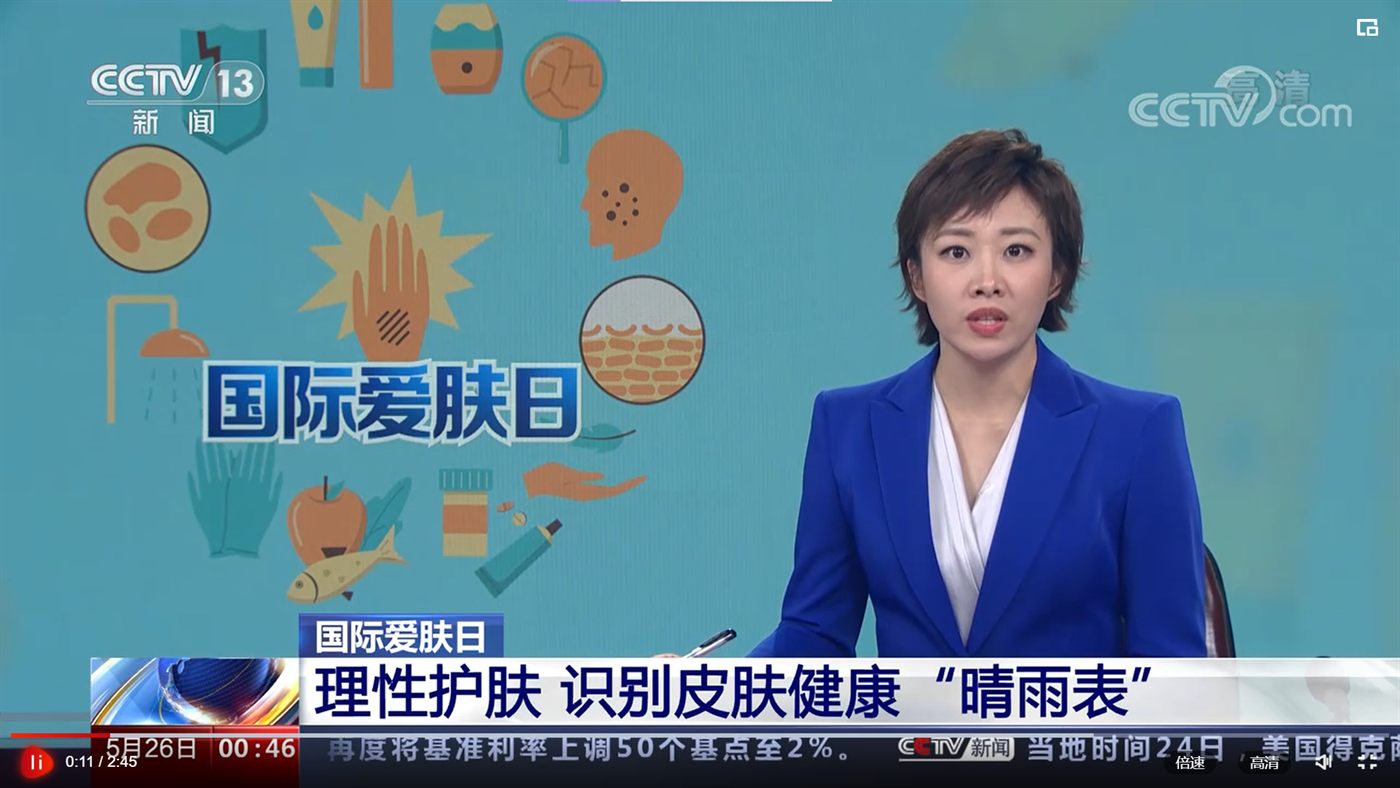
May 2024 · National Skin Care Day
Bayer China
BiKangWang — consumer health
Gold — brand renewal
Bayer BiKangWang — relaunching a thirty-year-old brand through its own origin story
An established antifungal treatment reached its thirtieth anniversary with strong shelf
presence but little public awareness of what it actually contains. The communication
problem was that category convention — clinical claims, symptom lists — gives a brand
no story to tell.
The decision
Lead with provenance, not efficacy. Every brand in this category argues clinical
performance. We argued where the formulation came from — originally developed for
military use, later released for civilian medicine — and put a senior academician on
camera to tell it. The risk was that a thirty-year-old origin story reads as nostalgia;
anchoring it to the symptom people actually search for is what kept it useful rather
than sentimental.
What changed
Institutions carried it without being asked. State television reposted the story;
provincial health commissions, municipal government accounts and several universities
shared it into their own audiences. The campaign got public bodies to explain the
product category on its behalf — the one form of reach a pharmaceutical brand
cannot buy. In the twelve weeks that followed, the brand moved from shelf presence to
measurable offtake.
46%YoY sell-out growth, key chains
55,000+Retail outlets in 30 days
Source: Golden Flag Awards case study (2025). The commercial figures are Bayer's
own and cover the period after launch; the source does not isolate how much of that
movement communications caused. Reach figures exist — a 1.21m-view film across 11
platforms, a hashtag read 43.27m times — but they measure circulation, not effect.
Apr 2023 · International Stomach Day
Bayer China
Talcid — consumer health
Two golds + one bronze
Bayer Talcid — turning commissioned research into a multichannel campaign
Gastric mucosal damage is a technical idea nobody searches for, on an awareness day
nobody observes. The campaign also had to build momentum for the brand's first crossover
with a fast-food breakfast partner, which meant the health argument had to arrive first
and stand on its own.
The decision
Commission the evidence instead of writing the pitch. A survey of adult gastric
health, run with a national newspaper, gave editors something citable rather than
something promotional — then became an explainer, an infographic long-read, a poster
set and a short video. One original source, four formats. That is why the campaign line
survived into CCTV's own reporting instead of being paraphrased away.
What changed
CCTV used our campaign line verbatim in its own news reporting, and every other
outlet that covered the day carried it too. The campaign did not simply get reported —
it supplied the words the reporting was written in, which is the difference between
being covered and setting the terms of a conversation. Bayer's written testimonial
states the work went on to shift consumer behaviour and drive that month's business.
VerbatimCampaign line adopted by CCTV
100%Of coverage carried the message
Source: Golden Flag Awards case study (2024), including Bayer's own written
testimonial — a client statement rather than an independently measured attribution. The
campaign also produced 1,534 pieces of coverage and a reported 3.0bn impressions;
impressions count opportunities to see, not people reached.
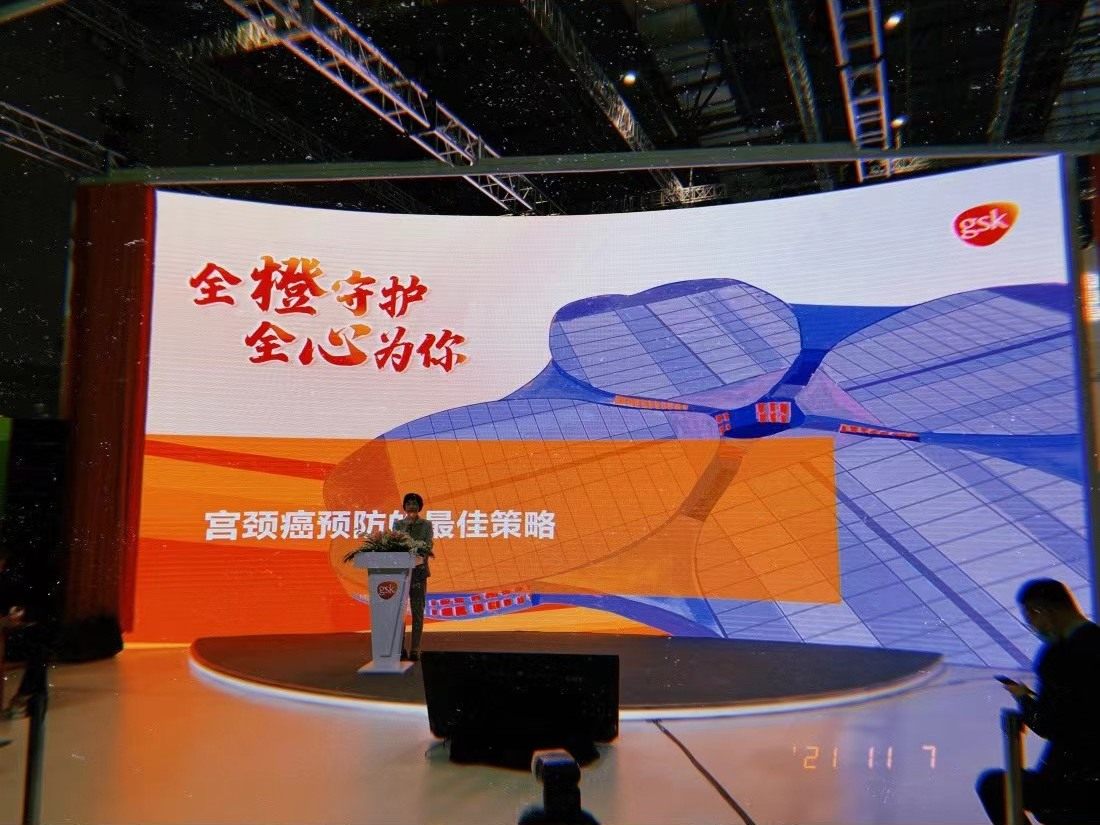
Jan 2022 · Cervical Cancer Awareness Month
GSK China
HPV vaccination
GSK — an editorial crossover, timed to a cultural moment
Awareness Month fell in the weeks before the Beijing Winter Olympics. A clinical topic
with a hesitant audience needed a reason for non-health media to carry it, and a voice
mothers would listen to.
The decision
Borrow a moment that had nothing to do with health. Awareness Month on its own
gives non-health media no reason to care; the Winter Olympics did. Two clinical
professors were paired with a former Olympic figure-skating medallist and briefed to
talk to each other rather than past each other — one recording that became soundbite
videos, a poster set, a long-form profile in a fashion monthly and follow-on national
coverage. It put a vaccine conversation inside lifestyle titles that would never run a
health story on its own.
What changed
The lifestyle channel's audience turned up at 260% of that channel's own average
for a livestream about cancer screening — against its own baseline, not an industry
one, which is what makes the comparison mean something. Its comment threads then filled
with viewers asking where and how to get vaccinated: an audience that arrived for a
crossover conversation and left looking for an appointment.
260%Of the host channel's own average
75Newsrooms reporting originally
Source: campaign closing report, February 2022 — which records 75 original reports
among 251 total pieces, the rest being syndication. Audience intent is evidenced by
comment-thread response recorded in the report, not by a measured change in vaccination
rates.
Feb–May 2022 · Multi-city programme
GSK China
Adult vaccination — public health
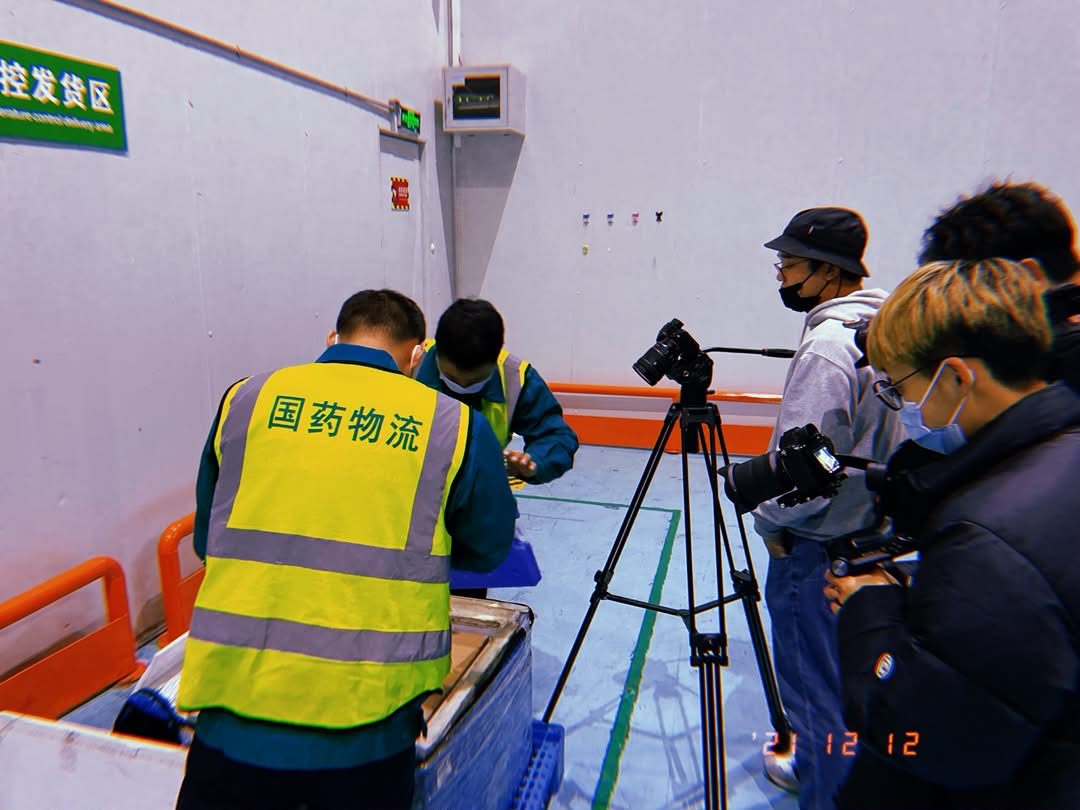
GSK — a repeatable city package, run across thirty-four cities to one release date
A national message means little in a country where health services are organised
locally. The problem was how to give regional media something of their own without
designing thirty-four separate campaigns.
The decision
Template the package instead of designing thirty-four campaigns. Every city ran
the same structure — a specialist clinician for severity, a community physician for
where to actually go, and a fixed mix of one television station, one short-video
account, one social account and one print title. Only the people changed. That is what
made thirty-four simultaneous executions feasible at all, and what let interviews
staggered across ten days still land as one national story.
What changed
198 of the reports were original — newsrooms doing their own interviews rather
than reprinting a release, which is the only coverage figure that reflects editorial
judgement rather than distribution. And the asset outlasted the campaign: sixty-seven
briefed clinicians and thirty-four local media relationships remained in place
afterwards. The awarding body's published case study for the following year's
campaign credits that network as the reason it worked.
198Original reports, not syndication
67Clinicians briefed and retained
Source: interim campaign report dated 27 May 2022 — 34 cities is what is documented
as delivered at that date, against a wider plan. The network credit appears in the Golden
Flag Awards case study for the 2023 campaign.
2020
An international vaccine summit, run in two languages
Positioned as an academic platform rather than a corporate event. Its durable output was a written initiative from the expert committee rather than coverage — English working materials, executive briefing and event delivery.
What it produced: a written initiative from the expert committee, citable by policymakers after the event closed — plus 22 international speakers convened and 16,000+ healthcare professionals attending online.
Sanofi Pasteur
Event communications
2021
An awareness day timed to the national political session
International HPV Awareness Day fell during China's annual political sessions. A salon was livestreamed by a title distributed to delegates, pairing gynaecologists who were themselves CPPCC members with women delegates.
What it produced: the campaign report records follow-up proposals from two CPPCC members — people who attended and then wrote something. The CPPCC is a national political advisory body; proposals are submissions for consideration, not adopted policy.
GSK China
HPV vaccination